Timber sleeper walls are the traditional budget option for retaining a garden bed or a gentle slope. They’re quick to build and look natural, but they don’t last as long as concrete. Bendigo Retaining Walls connects you with a local, registered and insured builder who can quote a timber wall, or talk you through whether concrete sleepers would be better value over time.
Call 0485 557 649 for a free quote.
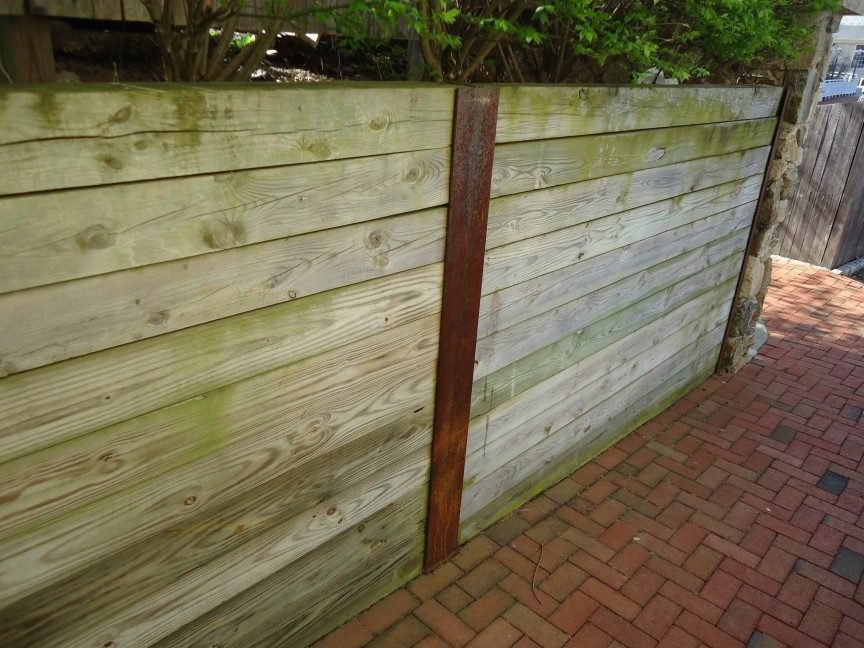
Types of timber sleeper walls
- Treated pine sleepers with timber posts. The cheapest option for low garden walls and raised beds.
- Treated pine sleepers with galvanised steel posts. Steel posts don’t rot, which hipages notes can extend the life of a treated pine wall.
- Hardwood sleepers. Heavier and harder than pine, with a richer look, at a higher price.
- Recycled railway sleepers. Popular for their rustic look, but older sleepers may carry creosote treatment. The Quote Yard’s Victorian guide suggests not planting edible plants against them.
Treatment levels matter
Treated pine is sold in hazard classes. For timber in contact with damp soil that is holding back a load, a higher treatment level is normally specified. The Quote Yard’s Victorian guide recommends H5 as the minimum for retaining walls, where the timber sits against moist soil. Ask your builder which treatment level they’re quoting, for both the posts and the sleepers.
Typical costs
| Timber wall type | Typical installed range (per m²) | Source |
|---|---|---|
| Treated pine | $250–$350 | hipages (2026) |
| Timber sleeper, up to 1 m (Victoria) | $250–$380 | The Quote Yard (2026) |
| Treated timber / hardwood sleepers | $300–$450 | hipages (2026) |
| Engineered timber sleeper wall, over 1 m (Victoria) | $400–$600 | The Quote Yard (2026) |
For a side-by-side look at every material, see the Bendigo retaining wall cost guide.
How long do timber walls last?
Published guides put treated pine retaining walls at roughly 15 to 25 years, depending on drainage, soil moisture and shade. The posts often fail first because they carry the load and sit right at the wet ground line. When that happens the wall leans or bows, and fixing it usually means digging out and replacing posts or the whole wall.
Clay soils that stay damp for long periods are hard on timber. Good drainage behind the wall helps it last longer, whatever it’s made of.
When timber makes sense
- Low garden walls, raised vegetable beds and edging
- Short-term or budget projects, such as preparing a property for sale
- Rustic or bush-style gardens where natural timber suits the look
- Walls well away from boundaries, buildings and driveways
When concrete is usually the better choice
- Boundary walls and walls holding up a driveway, shed or house platform
- Walls you want to last for decades without replacement
- Damp, shaded or poorly drained spots
- Taller walls that need a permit and engineering
Read about concrete sleeper retaining walls to compare, including timber-look concrete finishes that give you the warm look without the rot.
Replacing an old timber wall
Many older Bendigo homes have timber sleeper walls that are now past their best. Signs to watch for include leaning or bulging, soft or crumbling timber at ground level, gaps opening between sleepers, soil washing through, and posts that move when pushed. A builder can remove the old wall, check the ground and drainage, and rebuild in timber or concrete.
If a failing wall is on a boundary or close to a building, don’t wait. A collapse can damage property next door.
Permits still apply
The material doesn’t change the permit rules. In Greater Bendigo a wall of 1 metre or more needs a building permit, and lower walls can need one too depending on their location. See our permit guide.
Talk to a local builder about your timber wall. Call 0485 557 649 or get a quote.
Bendigo Retaining Walls is a referral service, not a building company. We pass your enquiry to one independent, local retaining wall builder, who inspects the site, quotes and carries out the work under their own registration and insurance. Builder registration details are provided with your quote.